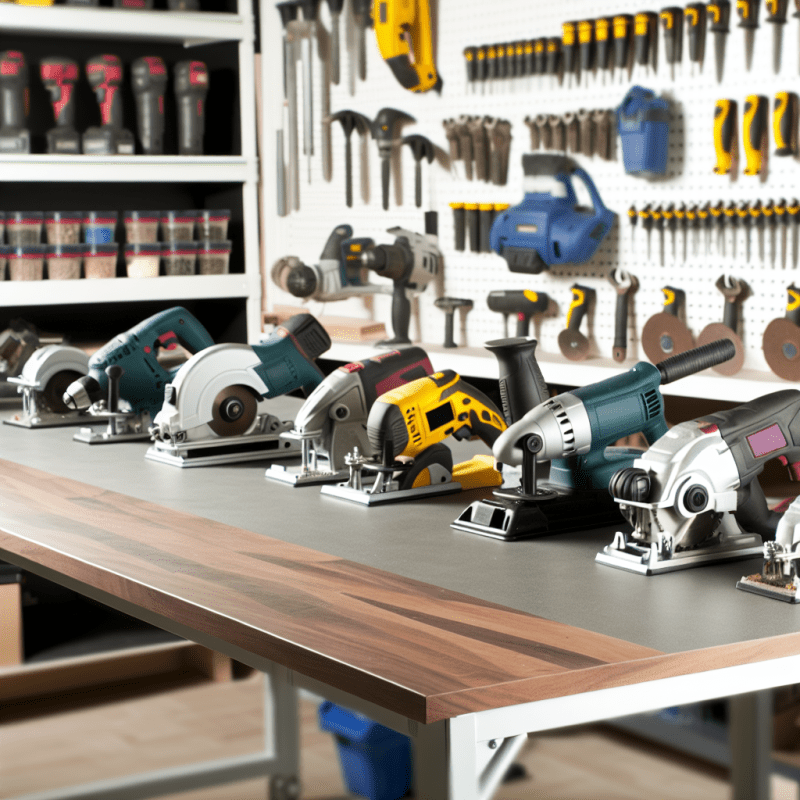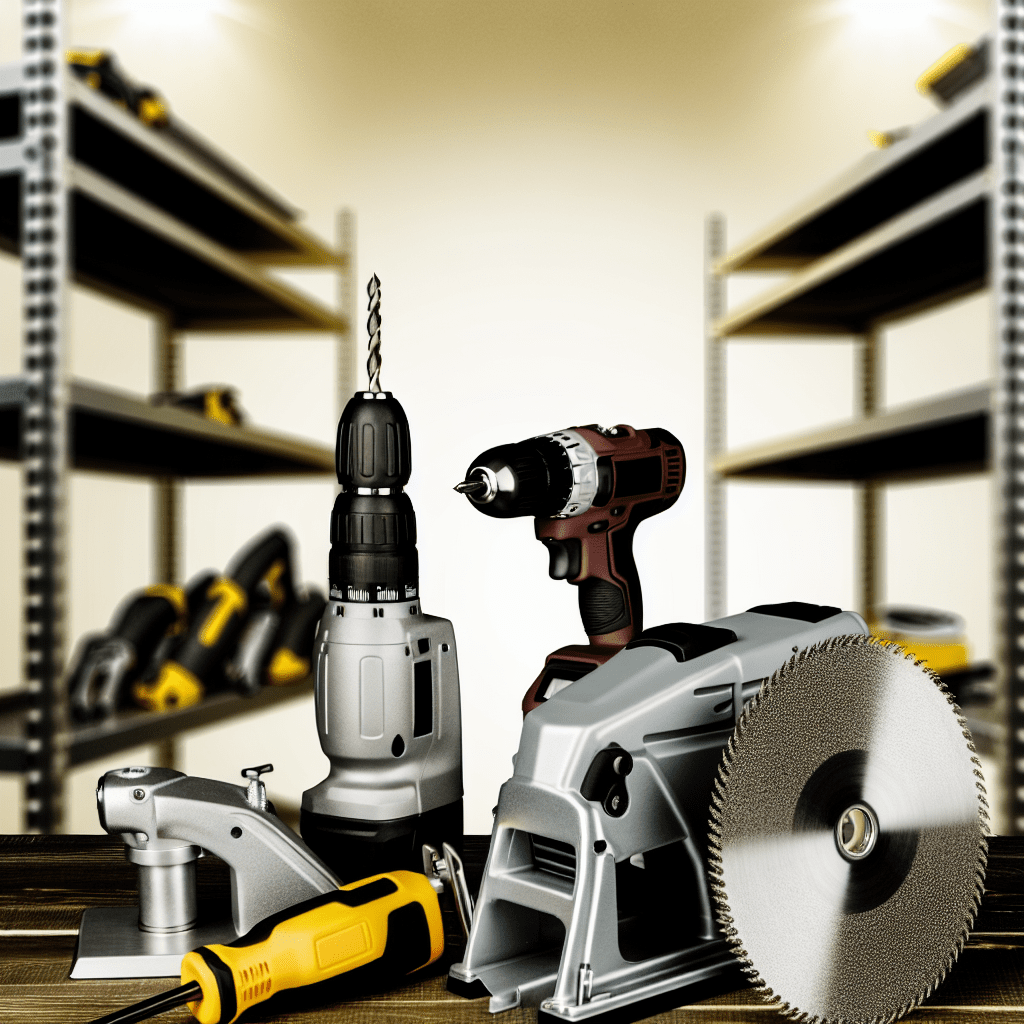
When it comes to tackling home improvement projects or DIY jobs, selecting the right power tools is essential for success. With so many options available, it can be overwhelming to know where to start. The first step is to identify the specific tasks you aim to accomplish. Are you planning to build furniture, renovate a room, or handle basic repairs? Understanding your needs will help you narrow down the types of tools you'll require.
Once you have a clear idea of your projects, consider the power source of the tools. Corded tools provide unlimited power, making them ideal for heavy-duty jobs, while cordless tools offer flexibility and mobility, perfect for tasks around the home or in tight spaces. Keep in mind that battery life is an important factor for cordless tools; investing in models with longer battery durations can make your work smoother and more efficient.
Another crucial factor is the quality of the tools. It might be tempting to go for cheaper options, but investing in reliable brands can save you money in the long run. High-quality tools tend to last longer and perform better, which is especially important for beginners learning the ropes. Reading reviews and asking for recommendations from experienced users can guide you toward the best options for your needs.
Lastly, safety should always be a top priority when using power tools. Make sure to equip yourself with the necessary safety gear, such as goggles, gloves, and ear protection. Familiarize yourself with each tool's manual before use to understand its features and proper handling guidelines. Taking these precautions not only protects you from harm but also enhances your overall woodworking experience.
Basic Safety Guidelines for Power Tools
When using power tools, safety should always be your top priority. Each tool comes with its own set of risks, so it’s essential to understand the basics of safe handling. Before you start working, take a moment to inspect your tools. Ensure that they are in good working condition, with no frayed cords, broken parts, or other signs of wear. If a tool doesn’t seem right, don’t use it!
Wearing the appropriate personal protective equipment (PPE) is another key factor in staying safe. Always don safety goggles to protect your eyes from flying debris, and wear ear protection to guard against loud noises. Depending on the task, you might also need gloves for hand protection or a dust mask to keep harmful particles out of your lungs. Remember, taking the time to put on PPE can save you from serious injuries.
It’s also crucial to maintain a clean and organized workspace. Keep your area free of clutter, and ensure that your tools are stored properly when not in use. A tidy workspace reduces the risk of accidents and allows you to focus on your project. If you’re working in a shared space, be sure to communicate with others to prevent any unwanted interruptions or hazards.
Finally, always follow the manufacturer’s instructions and guidelines for each power tool. Understanding how to use each tool correctly, including any safety features it has, is vital for preventing accidents. Educating yourself about the specific functions and limitations of your tools will set you up for a successful and safe experience. Power tools can be incredibly useful for a variety of projects, but responsible handling is essential to ensure everyone stays safe.
Essential Power Tool Techniques
When it comes to mastering power tools, understanding essential techniques is key to achieving great results and staying safe. Whether you’re using a drill, saw, or sander, knowing the right methods can make your projects smoother and more efficient. Here are some fundamental techniques every power tool user should know.
First and foremost, grip and stance are critical when operating power tools. Ensure you hold the tool firmly with both hands whenever possible. This gives you better control and reduces the risk of accidents. Additionally, stand with your feet shoulder-width apart for stability. Always position yourself so that you are not directly in line with the tool’s cutting path to avoid injuries.
Another vital technique is to familiarize yourself with the tool's specific functions before starting any project. Read the manual to understand how adjustments work, especially for settings like speed and depth. This knowledge allows you to adapt the tool to your task better and enhances your precision. For instance, when using a circular saw, adjust the blade depth according to the material thickness to achieve clean cuts and minimize tear-out.
Regularly practicing and maintaining your tools will significantly improve your skills too. Clean your tools after each use to prevent dust and debris buildup, and check for worn-out parts to ensure they perform well. These habits not only extend the life of your tools but also help you develop a reliable routine that enhances your overall craftsmanship.
Maintaining Your Power Tools for Longevity
Keeping your power tools in top shape is crucial for both performance and safety. Regular maintenance not only extends the life of your tools but also ensures they operate efficiently when you need them most. One of the easiest ways to start is by reading the manufacturer's manual. Each tool may have specific guidelines on maintenance that can help you keep it in peak condition.
Start by cleaning your tools after each use. Dust and debris can build up, affecting performance and even leading to potential safety hazards. Use a soft brush or cloth to wipe away any buildup. For power saws and drills, make sure to clear the dust from vents to prevent overheating. Additionally, check the cords and plugs for any signs of wear or damage, and replace them if necessary to avoid electrical hazards.
Lubrication is another key aspect of tool maintenance. Moving parts, such as gears and bearings, can wear out quickly without proper lubrication. Use the recommended lubricant for each tool, applying it lightly to ensure smooth operation. Regularly inspect blades on saws and bits on drills for dullness; sharpening or replacing them will improve cutting efficiency and accuracy.
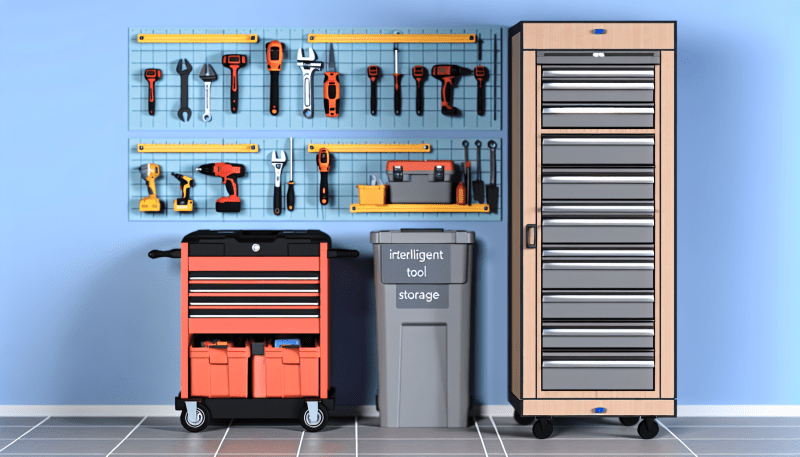
Finally, store your power tools properly to protect them from the elements. A dry, clean space away from extreme temperatures and moisture is ideal. Consider investing in toolboxes or pegboards to keep everything organized and within reach. When power tools are stored correctly, they’re less likely to get damaged or misplace, enabling you to tackle your next project with confidence.